What we do,
and how
Three systems, developed in the same building by the same people. No outsourcing, no resold catalogue parts, no generic map files. Every project runs through the same five stages — from first message to the moment the car leaves.
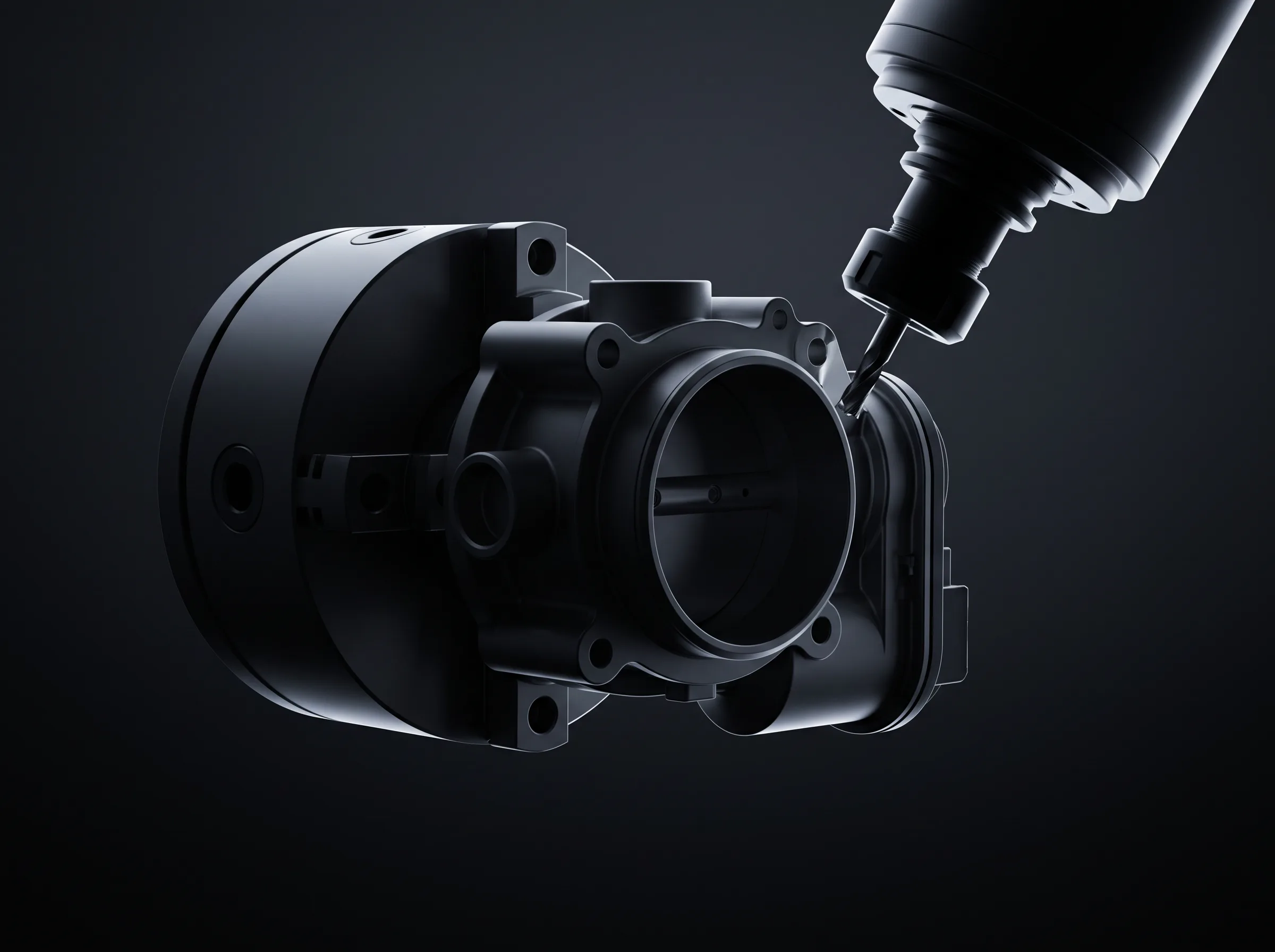
Upgraded throttle bodies
Factory throttle bores are narrowed to meet economy and emissions targets, and torque is paid as the price. We re-machine the bore to the diameter the engine was designed around and finish it with a polished, carbon-resistant layer that holds up under sustained boost.
Each unit is calculated against the specific engine — displacement, cylinder count, forced induction, transmission type. It is the only such component matched to the torque delay characteristics of Japanese CVT transmissions.
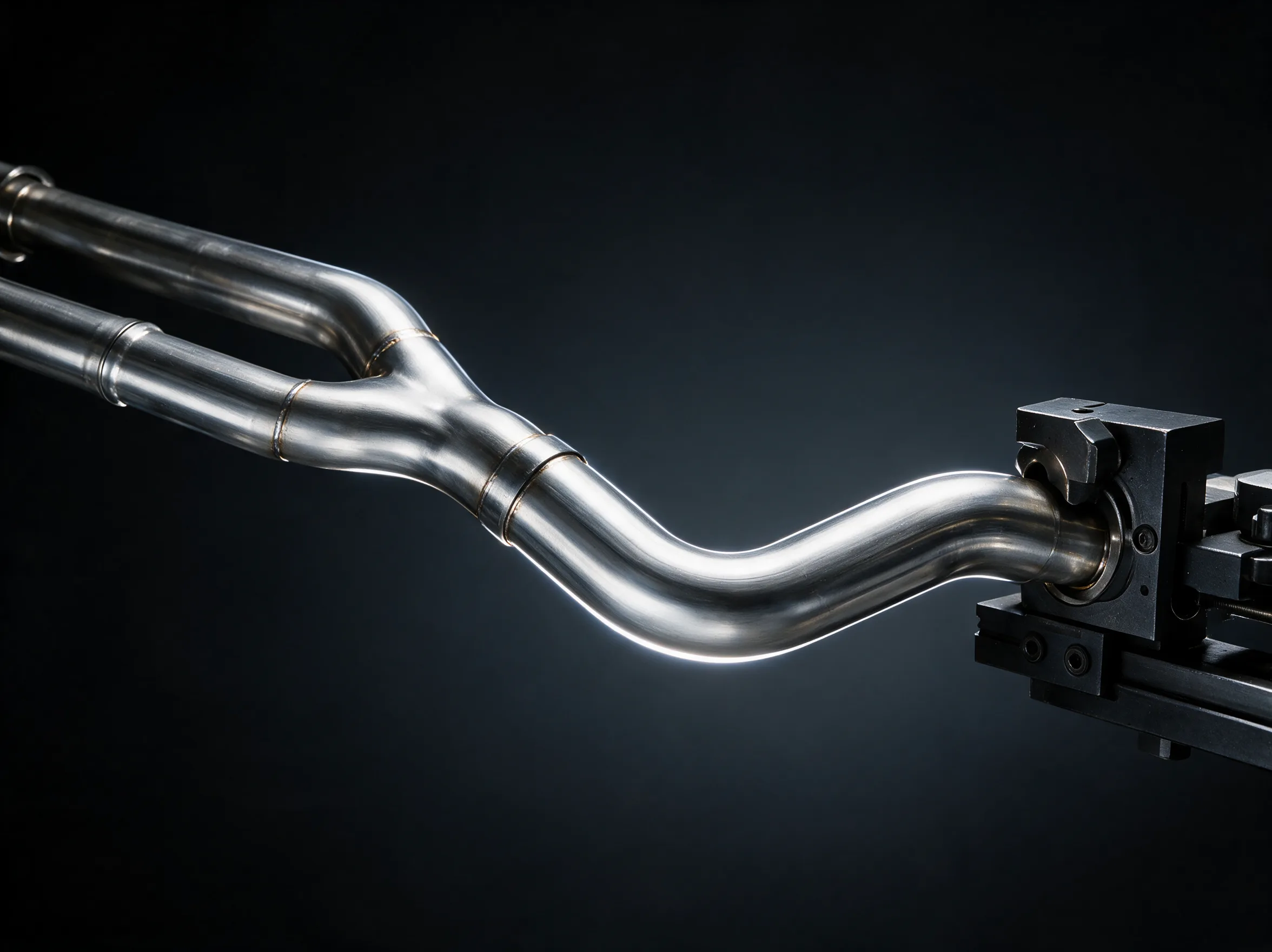
Full exhaust systems
Every system is fabricated one car at a time, in conversation with the owner. APRS flow-control geometry replaces valves and baffles entirely: gas is decelerated by the shape of the path, not blocked by an obstruction in it.
The result is a system that is silent at a steady cruise, quiet under light throttle, and fully open when the pedal goes down — with the sound moved outside the cabin rather than suppressed, and back pressure kept low enough to shorten turbo spool.
A noise-regulation-compliant variant exists for every street system. High performance at measured, legal volume — confirmed on a meter, not by ear.
Engine software
Not a re-badged stage file. Maps are written against the factory cooling envelope, with long-term durability as the first constraint rather than the last consideration. Fuel consumption, gearbox life and how the car is actually driven all set the shape of the map.
Where the owner has committed to AVIO hardware, the software is written to that hardware — the reason a matched full system produces more than the sum of its parts.
Factory hardware. Restores the output the engine was designed to make.
Written to a full AVIO exhaust. Requires APRS mid and tail sections.
Competition only. Daily-use factors deliberately excluded.
Five stages,
no surprises
Typical elapsed time from deposit to handover is two to four weeks, depending on fabrication scope and parts lead time.
Contact
Send the chassis code, current specification and what you want the car to do. A configuration from BUILD is the fastest starting point.
Assessment & proposal
We calculate the system for your engine and return a written specification: components, expected behaviour, price and build window. Revised until it is right.
Deposit & booking
A deposit confirms material order and reserves bench time. You receive a fixed date for the car to arrive.
Fabrication & fitting
Systems are cut, welded and fitted to your car on site. Progress photographs are sent as the work goes on.
Testing & handover
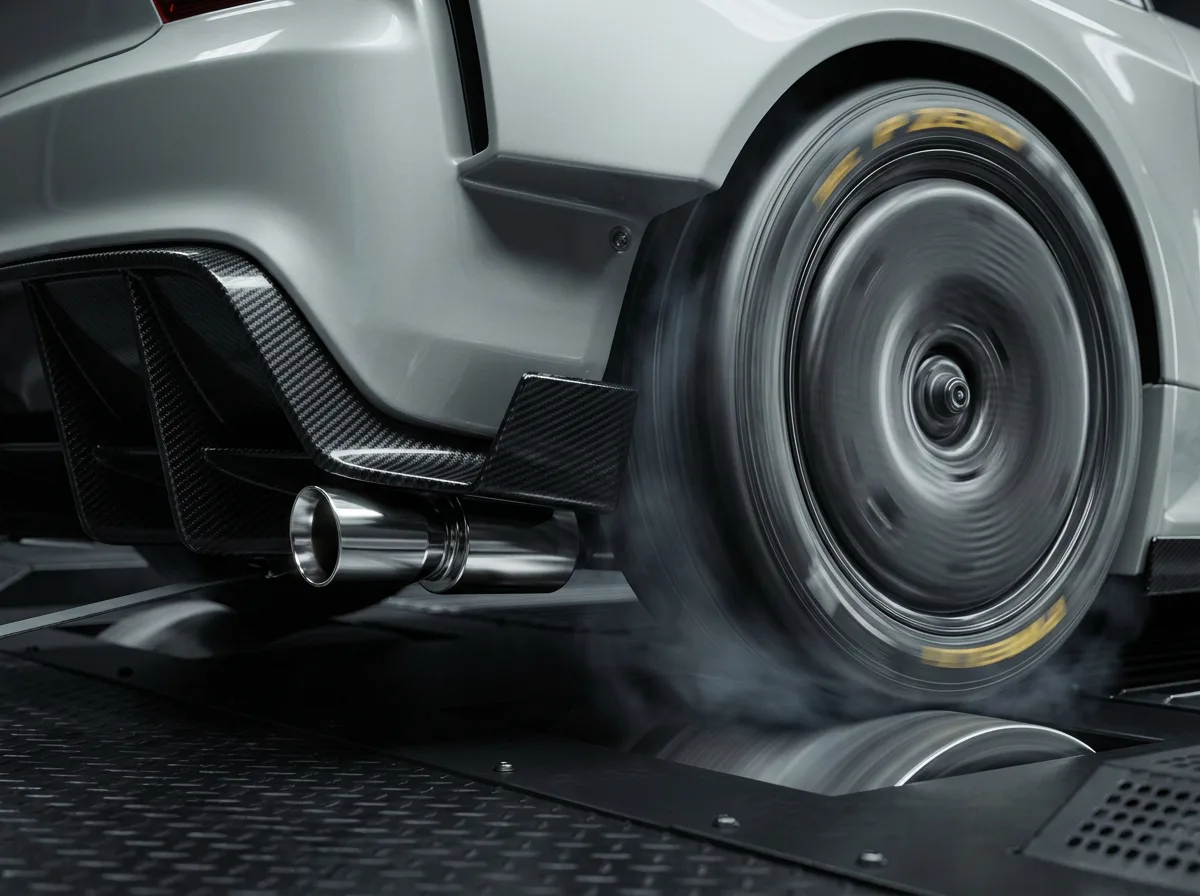
Road and load testing, software finalised against measured data, noise level confirmed. The car is handed back with its specification on record.
Decide the
direction first
Race
Set up to win. Every parameter chased to the limit, daily factors deliberately excluded, the engine treated as a consumable. We will tell you what it costs in service life before we start.
Street
Restoring the output the car was originally designed to make, by lifting emissions-driven restrictions across intake, exhaust and software — with factory hardware, comfort and resale value intact.